Augillion: A Modern and Elegant Serif Font for Versatile Design Projects
Augillion is a modern and elegant serif font that has gained attention among designers and developers looking for a versatile typeface. Its clean lines, balanced proportions, and refined details make it suitable for a wide range of applications, from digital interfaces to print materials. As with any design choice, understanding when and how to use Augillion can help ensure it aligns with your project's goals and aesthetic.
What Is Augillion?
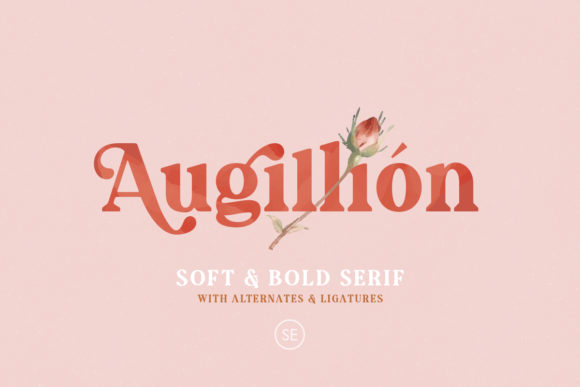
Augillion is a serif font family designed with a focus on readability and visual appeal. It features a contemporary take on traditional serif styles, blending the elegance of classic typography with the clarity of modern sans-serif influences. The font includes multiple weights and styles, offering flexibility for various design scenarios.
Its character set supports a broad range of languages, making it an accessible option for international projects. This adaptability ensures that Augillion can be used in multilingual environments without compromising on typographic quality.
Why Consider Augillion?
There are several reasons why someone might choose Augillion for their design or development work:
- Versatility: Augillion can be used in both digital and print formats, making it a practical choice for cross-platform projects.
- Elegance: The font’s refined appearance adds a touch of sophistication to text, which is especially useful for branding, editorial design, and premium product packaging.
- Readability: Despite its elegant style, Augillion maintains strong legibility, even at smaller sizes. This makes it ideal for body text in websites, reports, and publications.
- Modern Aesthetic: Augillion offers a fresh alternative to more traditional serif fonts, allowing designers to create a contemporary look while still benefiting from the structure of serifs.
Benefits and Tradeoffs
Using Augillion comes with several benefits, but it's important to consider potential tradeoffs as well:
Benefits:
- Augillion provides a professional and polished appearance, which can enhance the perceived quality of a design.
- The font’s versatility allows it to be used across different platforms and media types, reducing the need to switch between multiple typefaces.
- Its support for multiple languages makes it a good fit for global projects where consistency in typography is essential.
Tradeoffs:
- While Augillion is highly readable, it may not be the best choice for minimalist or ultra-modern designs that favor sans-serif fonts.
- As a serif font, it may not perform as well in very small sizes on low-resolution screens compared to some sans-serif alternatives.
- Depending on the specific project, Augillion may require additional licensing or integration steps if not already included in a design system or software package.
Situations Where Augillion Is a Strong Fit
Augillion can be particularly effective in the following scenarios:
- Branding and Logo Design: The font’s elegant style can help convey professionalism and refinement, making it a strong candidate for logos, business cards, and brand collateral.
- Editorial Design: Whether for magazines, books, or online articles, Augillion’s readability and visual appeal make it well-suited for body text and headings.
- Product Packaging: In retail and consumer goods, Augillion can add a touch of class to product labels, packaging, and promotional materials.
- Digital Interfaces: When used appropriately, Augillion can enhance the user experience by providing a clear and aesthetically pleasing interface for web and mobile applications.
When Alternatives Might Be Worth Considering
While Augillion is a strong choice in many situations, there are cases where other fonts might be more appropriate:
- Minimalist Designs: If the goal is to achieve a clean, uncluttered look, a sans-serif font may be more suitable than a serif like Augillion.
- High-Contrast Environments: In contexts such as signage or digital displays with high ambient light, a bolder or simpler font may be more legible.
- Very Small Text Sizes: For extremely small text, such as footnotes or captions, a sans-serif font could offer better clarity.
- Ultra-Modern Aesthetics: If the design aims to feel cutting-edge or futuristic, a more geometric or experimental font may be preferable.
Practical Insights for Choosing Augillion
When deciding whether to use Augillion, consider the following factors:
- Project Goals: Does the font support the message you want to convey? Augillion is best suited for projects that aim to communicate professionalism, elegance, or tradition.
- Target Audience: Think about who will be viewing the content. Augillion may resonate more with audiences that appreciate classic design elements.
- Design Context: Evaluate how Augillion will interact with other design elements, such as color schemes, imagery, and layout structures.
- Licensing and Accessibility: Ensure that Augillion is available under the right license for your intended use and that it supports the necessary languages and characters.
Ultimately, Augillion is a thoughtful addition to any designer’s toolkit. By carefully evaluating its strengths and limitations, you can determine whether it aligns with your creative vision and project requirements. Whether you're working on a website, publication, or branding initiative, choosing the right font can have a significant impact on the overall success of your design.