Bitter Rockhide Font: A Casual, Quirky Choice for Creative Projects
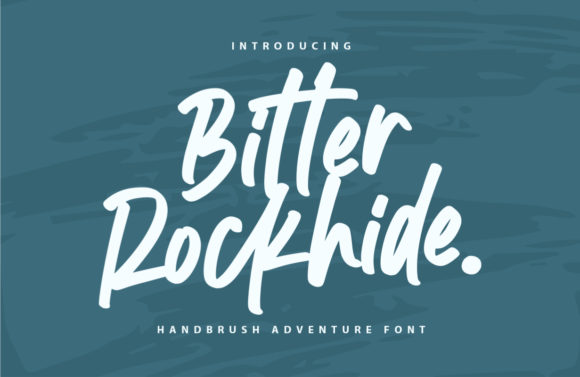
Bitter Rockhide is a casual, fun handwritten font created using a brush pen. Its clean and slightly quirky design makes it an appealing option for a variety of creative applications. This font offers a unique blend of simplicity and character that can enhance visual communication in different contexts.
What Is Bitter Rockhide?
Bitter Rockhide is a typeface designed to mimic the look of handwriting done with a brush pen. It features soft curves, slight irregularities, and a relaxed feel that gives it a personal and approachable appearance. The font is available in multiple weights and styles, allowing users to customize their designs based on specific needs.
The name "Bitter Rockhide" suggests a rugged or strong character, which is somewhat ironic given the font's playful and informal style. This contrast adds to its charm, making it suitable for projects that aim to convey both strength and warmth.
Why Consider Bitter Rockhide?
There are several reasons why someone might be interested in using Bitter Rockhide:
- Unique Style: The font stands out from more traditional or formal typefaces due to its hand-drawn appearance.
- Versatility: It can be used in a wide range of applications, including logos, branding materials, social media content, and DIY craft projects.
- Approachable Feel: Its casual nature makes it ideal for projects targeting younger audiences or those seeking a friendly tone.
- Easy to Read: Despite its informal look, the font remains legible, ensuring that messages are clearly communicated.
Benefits and Tradeoffs
One of the main benefits of Bitter Rockhide is its ability to add personality to any design. It can help create a sense of authenticity and individuality that more standard fonts may lack. Additionally, its clean lines and minimal embellishments make it adaptable for both digital and print formats.
However, there are some tradeoffs to consider. Because it is a handwritten font, it may not be as suitable for long blocks of text. In such cases, pairing it with a more conventional font for body text could be a better approach. Furthermore, while the font has a quirky appeal, it may not be appropriate for all professional settings where a more formal or traditional look is required.
Situations Where Bitter Rockhide Works Well
Bitter Rockhide is particularly well-suited for situations where a casual, friendly, or creative tone is desired. Some common use cases include:
- Logos and Branding: For businesses looking to establish a warm, approachable image, this font can help reinforce brand personality.
- Social Media Content: Its playful nature aligns well with platforms like Instagram, Pinterest, and TikTok, where visual appeal and engagement are key.
- Crafty DIY Projects: Whether designing invitations, scrapbooks, or handmade cards, Bitter Rockhide can add a personal touch that feels more authentic.
- Personal Blogs or Websites: Individuals who want to express their creativity through their online presence may find this font to be a great fit.
When Alternatives May Be Better
While Bitter Rockhide has many strengths, there are scenarios where other fonts might be more appropriate. For instance, if the project requires a high level of professionalism or readability over long passages of text, a sans-serif or serif font may be a better choice. Similarly, if the goal is to maintain a consistent, formal look across all branding materials, a more structured font would likely be more effective.
Additionally, designers should consider the context in which the font will be used. In some industries, such as finance or legal services, a more conservative font may be expected. In these cases, using Bitter Rockhide could come across as unprofessional or mismatched with the brand's identity.
Practical Insights for Choosing Bitter Rockhide
When deciding whether to use Bitter Rockhide, it's important to evaluate the overall message and tone of the project. Ask yourself: Does this font support the intended message? Will it resonate with the target audience? How does it compare to other available options?
It's also worth considering how the font will interact with other design elements. For example, if you're using a lot of bold colors or intricate patterns, Bitter Rockhide's simplicity can provide a nice balance. On the other hand, if the design is already quite busy, the font's quirks may become overwhelming.
Finally, think about scalability and accessibility. While Bitter Rockhide is visually appealing, ensure that it remains readable at various sizes and across different devices. Testing the font in different contexts can help identify potential issues before finalizing a design.
In conclusion, Bitter Rockhide is a versatile and expressive font that can bring a unique flair to a variety of creative projects. By understanding its strengths and limitations, designers can make informed decisions about when and how to use it effectively.