Black Chalk: A Textured Brush Font Inspired by the Art of Writing
The Origins and Evolution of Black Chalk as a Design Element
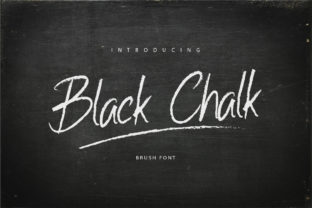
Black Chalk is more than just a font—it's an homage to the simplicity and elegance of traditional writing tools. Rooted in the tactile experience of using chalk on a blackboard, this textured brush font captures the essence of handwritten strokes with a modern twist. The origins of Black Chalk can be traced back to the early days of calligraphy and educational settings where chalk was the primary medium for communication. Over time, designers have taken inspiration from these historical uses to create digital fonts that emulate the same natural feel.
What makes Black Chalk unique is its ability to bridge the gap between analog and digital design. Its texture mimics the grainy surface of a chalkboard, giving text a sense of authenticity and depth. This characteristic is especially appealing for projects that aim to evoke nostalgia or emphasize a handcrafted aesthetic. Whether used in branding, editorial design, or web content, Black Chalk brings a level of sincerity and gravitas that few other fonts can achieve.
Key Characteristics of Black Chalk
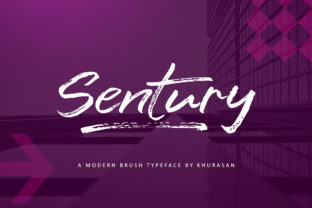
At first glance, Black Chalk appears to be a straightforward script font, but upon closer inspection, it reveals several nuanced features that make it stand out. The most notable is its textured brush effect, which gives each stroke a slightly irregular and organic appearance. Unlike smooth sans-serif or serif fonts, Black Chalk embraces imperfection, making it ideal for creative applications that value character and individuality.
- Brush Texture: Each letter is rendered with a subtle variation in thickness and direction, reminiscent of a real brush stroke.
- Contrast: The high contrast between thick and thin strokes adds visual interest and enhances readability.
- Legibility: Despite its stylized appearance, Black Chalk maintains good legibility even at smaller sizes.
- Versatility: It works well in both print and digital formats, making it suitable for a wide range of design needs.
Advantages of Using Black Chalk in Design Projects
One of the main advantages of using Black Chalk is its ability to convey emotion and personality through typography. In an era dominated by clean, minimalist fonts, Black Chalk offers a refreshing alternative that stands out without being overwhelming. Its textured brush style can evoke a sense of warmth, creativity, and authenticity, which are highly valued in today’s design landscape.
Another benefit is its adaptability. Black Chalk can be used in various contexts, from logos and headlines to body text and illustrations. For instance, it might be perfect for a boutique clothing brand looking to communicate a sense of artisanal craftsmanship or for a blog that focuses on storytelling and personal experiences. The font’s versatility allows it to be paired with both modern and traditional design elements, making it a valuable asset in any designer’s toolkit.
Use Cases for Black Chalk
Black Chalk is particularly well-suited for certain types of projects where a tactile and authentic feel is desired. Some common use cases include:
- Educational Materials: Its resemblance to chalk writing makes it ideal for textbooks, presentations, and learning resources.
- Creative Branding: Startups and independent creators often use Black Chalk to establish a unique identity that feels personal and approachable.
- Event Invitations: Wedding invitations, festival posters, and event flyers can benefit from the nostalgic charm of Black Chalk.
- Typography Art: Artists and typographers may incorporate Black Chalk into their work to explore the intersection of form and function.
Considerations When Using Black Chalk
While Black Chalk is a powerful tool, it’s important to consider how it fits within the broader design context. Like any font, it should be used thoughtfully to ensure that it complements rather than competes with other design elements. Here are a few considerations to keep in mind:
Color Contrast: Because of its textured appearance, Black Chalk works best when set against light backgrounds. Dark colors can sometimes obscure the details of the brush strokes, reducing the overall impact of the font.
Text Size: While Black Chalk is readable at most sizes, it may become less legible if used in very small text. It’s generally recommended to reserve it for headings, titles, and short phrases rather than long paragraphs.
Pairing with Other Fonts: To maintain balance in a design, it’s often beneficial to pair Black Chalk with a complementary font that has a more structured or geometric feel. This contrast can enhance the visual hierarchy and guide the viewer’s eye effectively.
Real-World Examples of Black Chalk in Action
Many successful brands and designers have incorporated Black Chalk into their work, showcasing its effectiveness in different contexts. For example, a children’s educational app might use Black Chalk for its interface to create a friendly and engaging atmosphere. Similarly, a local bookstore could feature Black Chalk in its signage to give visitors a sense of warmth and approachability.
In the world of web design, Black Chalk has been used to create visually striking headlines and call-to-action buttons. Its bold yet inviting nature makes it particularly effective for drawing attention and encouraging interaction. When used appropriately, Black Chalk can transform a simple message into something memorable and impactful.
Conclusion
Black Chalk is more than just a font—it’s a celebration of the artistry and history behind handwriting. With its textured brush style and sincere aesthetic, it offers a unique way to express creativity and personality in design. Whether you're a professional designer or a hobbyist exploring new typographic styles, Black Chalk provides a versatile and meaningful option that can elevate your work.
By understanding its characteristics, advantages, and appropriate use cases, you can harness the power of Black Chalk to create designs that resonate with audiences on a deeper level. As with any design choice, the key is to use it thoughtfully and purposefully, ensuring that it aligns with the overall vision and message of your project.