Good Butter: A Font That Balances Elegance and Versatility in Design
Fonts are more than just tools for communication; they shape the emotional tone of a message, influence readability, and contribute to the overall aesthetic of any design. Among the many typefaces available today, Good Butter stands out as a unique option that blends elegance with a relaxed feel. Designed with original hand-drawn strokes, this font offers an abstract yet harmonious typographic experience that can adapt to a wide range of creative contexts. Whether you're working on formal documents or casual social media posts, Good Butter brings a distinctive charm that sets it apart from other fonts in its category.
The Characteristics That Define Good Butter
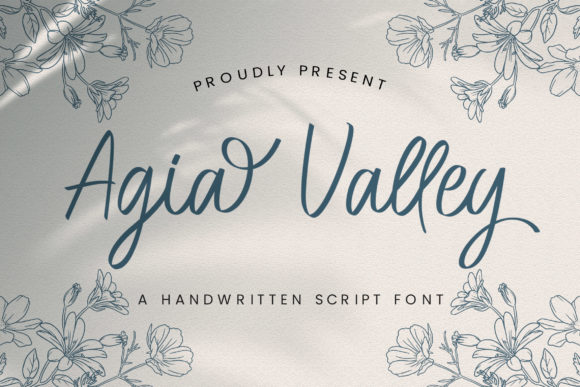
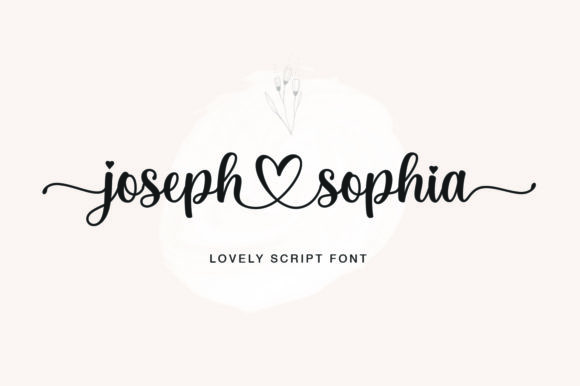
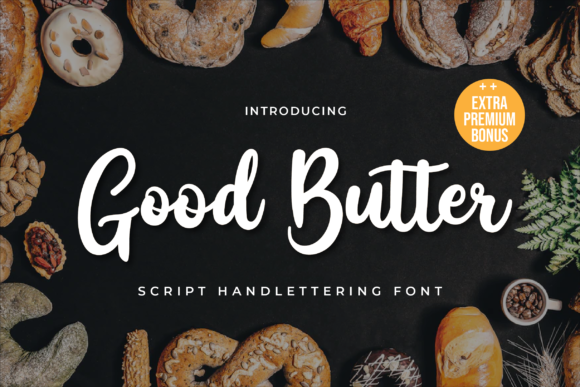
Good Butter is not your typical sans-serif or serif font. It was created with a focus on organic shapes and subtle imperfections that give it a human touch. The original hand-drawn strokes used in its creation add a sense of warmth and character, making it ideal for projects that require a personal or artisanal feel. Unlike highly structured fonts that prioritize uniformity, Good Butter embraces variation, which allows it to convey a more natural and approachable vibe.
One of the key features of Good Butter is its ability to maintain readability while still offering visual interest. The spacing between letters is carefully balanced to ensure legibility even at smaller sizes. This makes it suitable for both body text and headings, depending on how it's styled and used within a layout.
How Good Butter Compares to Similar Fonts
When considering alternatives to Good Butter, it's important to evaluate what each font brings to the table. Many modern fonts aim for minimalism, often sacrificing personality for simplicity. While this can be beneficial in certain contexts, such as corporate branding or technical documentation, it may not always be the best choice when a more expressive typeface is needed.
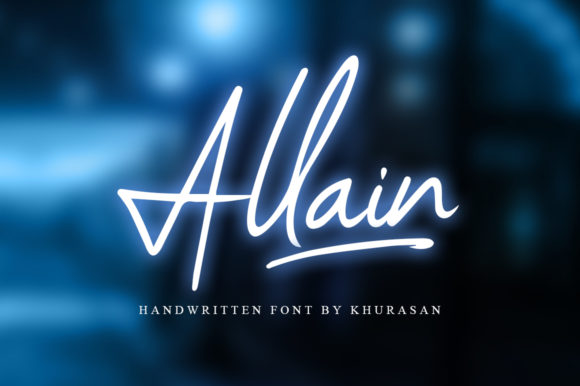
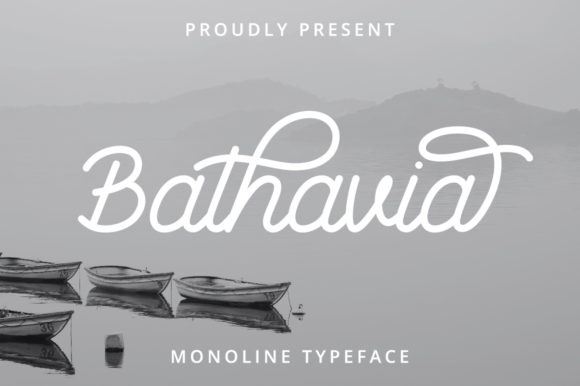
Compared to other script or handwritten fonts, Good Butter offers a more refined appearance without losing the essence of being hand-drawn. Some similar fonts may appear too informal or lack the structural integrity required for professional use. In contrast, Good Butter strikes a balance between formality and informality, making it a versatile choice for various applications.
If you're looking for a font that feels both elegant and relaxed, Good Butter provides a middle ground between traditional serif fonts and contemporary sans-serif designs. It doesn't lean too heavily into either style but instead creates its own identity through thoughtful typography.
Strengths and Tradeoffs of Using Good Butter
Like any font, Good Butter has its strengths and limitations. One of its greatest advantages is its ability to create a sense of intimacy and warmth in design. This makes it particularly well-suited for projects that aim to evoke emotion or tell a story. Its abstract typographic harmony also allows it to blend seamlessly with other design elements, such as illustrations or photographs.
However, there are situations where Good Butter may not be the most appropriate choice. For instance, in environments where maximum readability is essential—such as legal documents, academic papers, or instructional materials—it might be better to opt for a more conventional font. Additionally, due to its stylized nature, Good Butter may not be the best fit for long-form text that requires high levels of clarity and consistency.
Another consideration is scalability. While Good Butter performs well in most standard sizes, users should test it across different platforms and devices to ensure that it maintains its intended appearance. As with any custom or decorative font, proper testing is crucial before finalizing a design.
Best-Fit Situations for Good Butter
Given its unique characteristics, Good Butter shines in specific scenarios where a touch of personality is desired without compromising on professionalism. Here are some examples of where this font can be particularly effective:
- Brand Identity: Companies looking to establish a warm and inviting brand image can benefit from using Good Butter in logos, taglines, or marketing materials.
- Editorial Design: Magazines, blogs, and digital publications can use Good Butter for headlines or pull quotes to add visual interest without distracting from the content.
- Web Design: Websites that aim to create a friendly and approachable atmosphere can incorporate Good Butter in navigation menus, call-to-action buttons, or featured sections.
- Print Media: Invitations, greeting cards, and packaging designs can take advantage of Good Butter's hand-drawn aesthetic to enhance their visual appeal.
These examples illustrate how Good Butter can be adapted to different mediums and purposes. Its versatility makes it a valuable asset for designers who want to add depth and character to their work without overcomplicating the overall design.
When to Consider Alternatives
While Good Butter is a compelling choice in many cases, there are instances where another font might be more suitable. If you're working on a project that requires strict adherence to accessibility standards or needs to accommodate a large amount of text, a more straightforward font may be necessary.
Additionally, if your design requires a more formal or traditional look, you might want to explore serif fonts like Garamond or Times New Roman. Conversely, if you're aiming for a modern and clean aesthetic, a sans-serif font like Helvetica or Arial could be a better fit.
Ultimately, the decision to use Good Butter depends on the goals of your project and the message you want to convey. By understanding its strengths and limitations, you can make an informed choice that aligns with your design vision.
Practical Tips for Working with Good Butter
To get the most out of Good Butter, consider the following tips:
- Test Across Devices: Ensure that Good Butter looks consistent across different screen sizes and resolutions.
- Use Sparingly: Avoid overusing Good Butter in long blocks of text. Instead, reserve it for headings, subheadings, or accent elements.
- Pair with Complementary Fonts: Combine Good Butter with a more neutral font for body text to maintain readability and balance.
- Experiment with Styles: Try different weights, colors, and spacing options to see how Good Butter interacts with other design elements.
By applying these strategies, you can effectively integrate Good Butter into your designs while maintaining a cohesive and visually appealing outcome.
In conclusion, Good Butter is a font that offers a unique blend of elegance and relaxation, making it a great choice for designers who want to add personality to their work. Its hand-drawn strokes and abstract typographic harmony provide a fresh perspective on typography, allowing it to stand out in a crowded market of fonts. Whether you're creating a brand identity, designing a website, or crafting print materials, Good Butter can help bring your vision to life with style and sophistication.