Talking on: A Handwritten Font with a Natural and Friendly Appeal
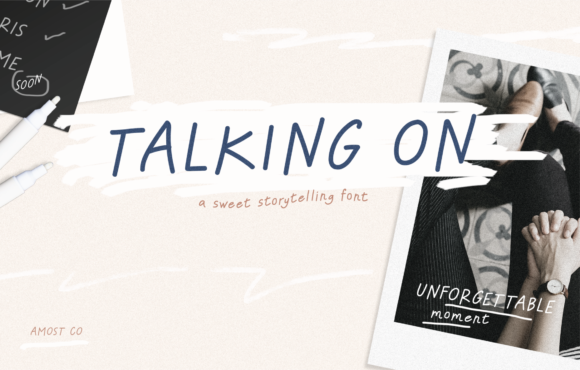
Talking on is a handwritten font that captures the essence of casual, personal communication. Designed to resemble natural handwriting, it brings warmth and approachability to any design project. Its unique style and versatility make it a popular choice for a wide range of creative applications, from branding to digital content. This article explores what Talking on is, its key features, and how it compares to similar fonts in terms of usability, aesthetics, and practicality.
Understanding the Characteristics of Talking on
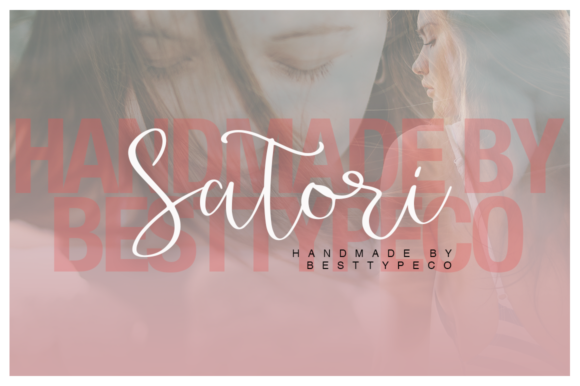
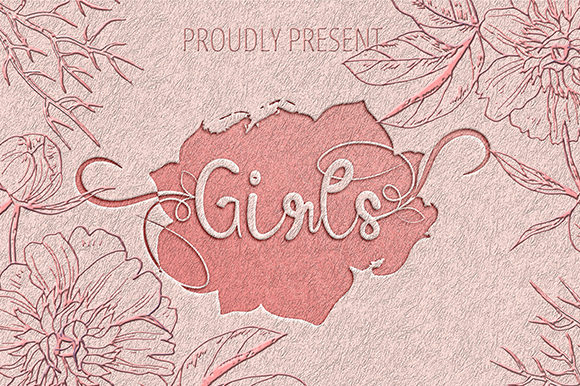
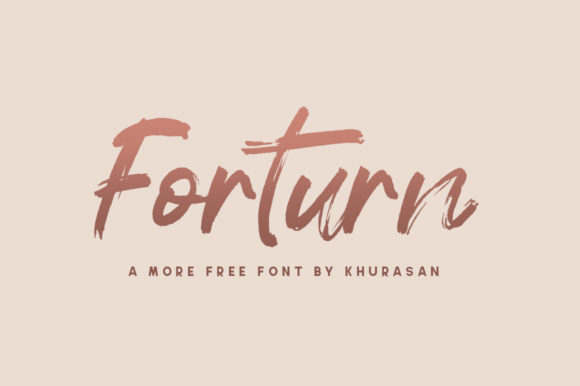
Talking on stands out due to its organic feel. Unlike many digital fonts that are meticulously crafted to appear uniform, Talking on mimics the irregularities of real handwriting. This includes slight variations in stroke thickness, uneven letter spacing, and the occasional flourish or curve that adds character. These elements give the font a friendly and conversational tone, making it ideal for projects that aim to convey a sense of intimacy or authenticity.
The font's simplicity is one of its greatest strengths. It avoids excessive ornamentation, allowing the message to remain clear and readable. While some handwritten fonts can be difficult to decipher, Talking on maintains a balance between stylization and legibility. This makes it suitable for both short phrases and longer texts, such as blog posts, social media updates, or even body copy in print materials.
How Talking on Compares to Other Handwritten Fonts
When considering alternatives to Talking on, several other handwritten fonts come to mind, each with its own set of advantages and limitations. For instance, Brush Script MT is another well-known option that offers a more formal and elegant look. While it shares the handwritten aesthetic with Talking on, Brush Script MT tends to be more structured, which may not be ideal for projects requiring a relaxed or informal vibe.
Comic Sans MS is another commonly used handwritten-style font, but it has faced criticism for being too playful or unprofessional in certain contexts. While it is highly readable and approachable, its widespread use has led to associations with less serious or child-oriented content. In contrast, Talking on strikes a middle ground—maintaining readability while avoiding the overused appearance of Comic Sans.
Quicksand is a sans-serif font that incorporates some handwritten qualities, but it lacks the organic feel of true handwritten fonts like Talking on. Quicksand is more modern and geometric, which may not be suitable for projects that require a more personal or human touch.
Strengths and Tradeoffs of Talking on
Talking on excels in scenarios where a warm, conversational tone is desired. It is particularly effective in marketing materials, greeting cards, and social media graphics, where the goal is to connect with the audience on a personal level. Its natural appearance helps create a sense of trust and familiarity, which can be especially valuable in brand messaging.
However, there are situations where Talking on may not be the best choice. For example, in professional or technical documents where clarity and formality are paramount, a more structured font might be more appropriate. Additionally, because of its handwritten nature, Talking on may not render consistently across all platforms or devices, especially if the font file is not properly embedded or installed.
Another consideration is scalability. While Talking on works well for smaller text sizes, it may lose some of its charm when used for large headlines or banners. In such cases, pairing it with a more robust sans-serif or serif font could provide better visual balance.
Best-Fit Situations for Using Talking on
Talking on is most effective in projects that benefit from a personal and inviting aesthetic. Some common use cases include:
- Branding and logos: The font can help establish a friendly and approachable brand identity, especially for businesses targeting younger audiences or those in the lifestyle, food, or entertainment industries.
- Social media content: From captions to graphic overlays, Talking on adds a touch of personality to online presence.
- Greeting cards and invitations: Its handwritten feel makes it perfect for creating a sense of warmth and sincerity in personal communications.
- Blog headers and titles: When paired with a clean body font, Talking on can enhance the visual appeal of a blog without compromising readability.
- Marketing campaigns: For campaigns that aim to build emotional connections with customers, Talking on can reinforce the message of care and attention.
When to Consider Alternatives
While Talking on is a versatile font, it may not be the right choice for every situation. If a project requires a more formal or professional appearance, alternatives such as Georgia, Times New Roman, or Helvetica may be more appropriate. Similarly, for projects that demand high readability at small sizes, such as long-form articles or academic papers, a sans-serif font like Arial or Verdana would be a better fit.
Additionally, if a designer is looking for a more decorative or artistic font, options like Great Vibes or Bell MT could offer more visual flair. However, these fonts may sacrifice some of the legibility and simplicity that Talking on provides.
Practical Tips for Using Talking on Effectively
To get the most out of Talking on, consider the following tips:
- Use it sparingly: Overusing a handwritten font can make the design look cluttered or unprofessional. Reserve it for headings, logos, or accents rather than using it for entire paragraphs.
- Pair it with complementary fonts: Combining Talking on with a clean, modern sans-serif or serif font can create a balanced and visually appealing layout.
- Test it across different mediums: Ensure that Talking on renders correctly on various devices and screen sizes. If necessary, use web-safe fonts or embed the font file to maintain consistency.
- Adjust spacing and size: Because of its handwritten nature, Talking on may require adjustments to letter spacing or line height to ensure optimal readability.
- Consider color and contrast: The font's light strokes may not show up well on dark backgrounds. Choose colors that provide sufficient contrast to maintain legibility.
Talking on is a unique and expressive font that can add personality and warmth to a wide range of design projects. Whether you're crafting a brand identity, designing social media content, or creating personal communications, this font offers a natural and friendly aesthetic that is hard to replicate with other styles. However, it is important to evaluate your specific needs and context before deciding whether Talking on is the right choice for your project. By understanding its strengths and limitations, you can make an informed decision that aligns with your goals and enhances your overall design strategy.