The Wood: A Font That Elevates Design and Workflow
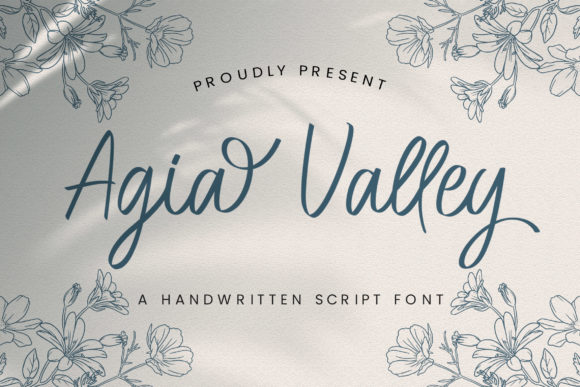
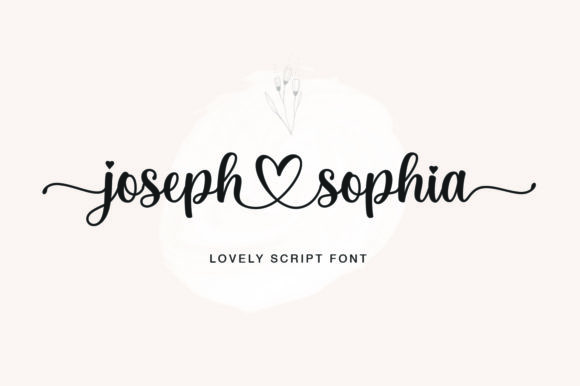
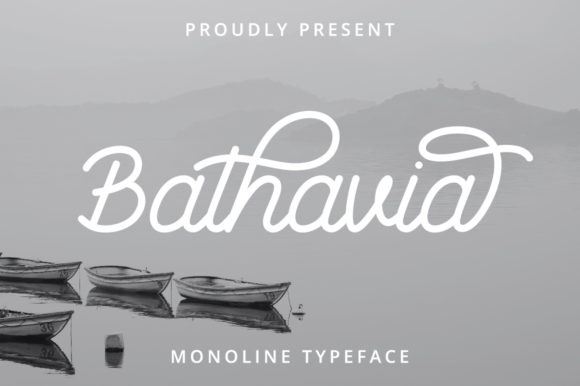
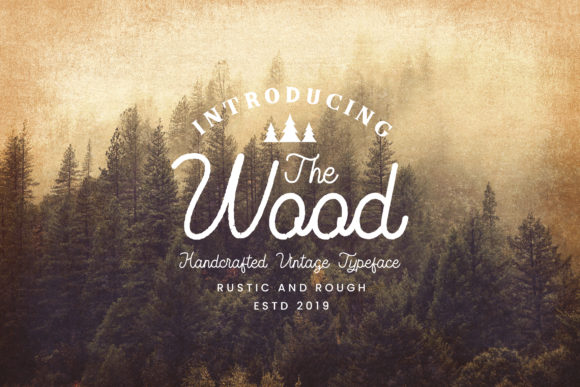
The Wood is a delicate, elegant, and flowing handwritten font that brings a sense of artistry and personal touch to any design. With its beautifully balanced characters and fluid strokes, it seamlessly integrates into a wide range of creative projects. Whether you're designing a logo, crafting a website, or preparing marketing materials, The Wood can transform your work from ordinary to extraordinary.
Understanding The Wood's Role in Creative Processes
The Wood is more than just a font; it’s a tool that fits naturally into various stages of the creative process. It can be used during the initial brainstorming phase to sketch out ideas with a more organic feel. Its hand-drawn style makes it ideal for mood boards, wireframes, or even as a placeholder text in early design drafts.
During the actual design phase, The Wood can serve as the primary font for headlines, call-to-action buttons, or signature elements. Its elegance ensures that the content stands out without overwhelming the viewer. In post-production, it can be used to add finishing touches such as captions, credits, or annotations that require a personal and artistic flair.
Integrating The Wood Into Your Workflow
When integrating The Wood into your workflow, consider how it interacts with other design tools and assets. It works well with vector graphics software like Adobe Illustrator and Photoshop, as well as web design platforms such as Figma and Canva. Its scalability makes it suitable for both print and digital media, ensuring consistency across all formats.
For those who prefer working with typography-heavy documents, The Wood complements sans-serif and serif fonts effectively. Pairing it with a clean, modern sans-serif font can create a balanced contrast that guides the reader’s eye smoothly through the content.
- Use Case 1: As a headline font in blog posts or articles where a softer, more approachable tone is desired.
- Use Case 2: For branding materials such as business cards, letterheads, or packaging designs that need a unique identity.
- Use Case 3: In educational materials, where a friendly and engaging visual style enhances learning outcomes.
Practical Implementation Tips
Before using The Wood in any project, ensure that it aligns with the overall aesthetic and purpose of the design. It may not be appropriate for technical documentation or formal reports where clarity and readability are paramount. However, in creative fields such as fashion, lifestyle, or wellness, The Wood can enhance the emotional appeal of the message.
When downloading or purchasing The Wood, check for compatibility with your preferred software and verify that it includes the necessary character sets. Some fonts may have limited support for special characters or accents, which could affect international projects or multilingual content.
To maintain consistency across multiple projects, consider creating a style guide that outlines when and how to use The Wood. This guide can include rules about font size, spacing, and pairing options, helping to streamline the design process and reduce errors.
Workflow Examples
Example 1: A freelance designer working on a client's website might use The Wood for the site's navigation menu and hero section headlines. This choice adds a touch of personality while maintaining professionalism. They would pair it with a complementary sans-serif font for body text to ensure legibility.
Example 2: An educator developing course materials might incorporate The Wood into title slides and chapter headings. This creates a warm and inviting atmosphere that encourages engagement. They would also use it sparingly to avoid distractions, ensuring that the main content remains easy to read.
Example 3: A small business owner launching a new product line could use The Wood in their packaging design and promotional emails. This helps to establish a consistent brand voice and reinforces the idea of quality and craftsmanship.
Factors to Consider for Long-Term Use
When considering long-term use of The Wood, think about factors such as scalability, versatility, and ease of access. Ensure that the font license allows for commercial use if needed, and that it can be easily shared or embedded in digital projects without legal issues.
Additionally, evaluate how well The Wood performs in different environments. Does it render clearly on mobile devices? How does it look when printed at various sizes? These questions will help determine whether it’s the right fit for your specific needs.
Consistency is key when using any font over time. Establishing clear guidelines for when and how to use The Wood will help maintain a cohesive visual identity across all projects. This is especially important for brands or individuals who produce content regularly.
Enhancing Productivity with The Wood
For professionals who value efficiency, The Wood can be a valuable asset in their toolkit. By choosing a font that feels natural and intuitive, designers and writers can spend less time adjusting styles and more time focusing on the content itself.
Consider building a library of pre-designed templates that include The Wood. This can significantly speed up workflows, especially for repetitive tasks such as social media posts, newsletters, or presentations. Having these resources ready can save time and reduce decision fatigue.
Finally, take the time to experiment with The Wood in different contexts. Try combining it with various colors, backgrounds, and layouts to see how it behaves under different conditions. This exploration will help uncover new ways to use the font creatively and effectively.
By understanding how The Wood interacts with other elements in your workflow, you can unlock new possibilities and elevate the quality of your work. Whether you're a professional designer or someone who occasionally dabbles in creative projects, The Wood offers a versatile and elegant solution that can make your ideas come alive.