Western Duo: A Versatile Font Pairing for Design Projects
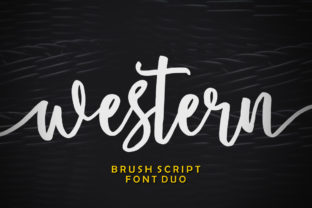
Western Duo is a font pairing that combines two distinct typefaces—brushed style characters and a sans serif design—to create a harmonious and visually appealing combination. This pairing offers a unique balance between organic texture and clean minimalism, making it an attractive option for designers looking to add character to their projects without sacrificing readability.
Understanding Western Duo
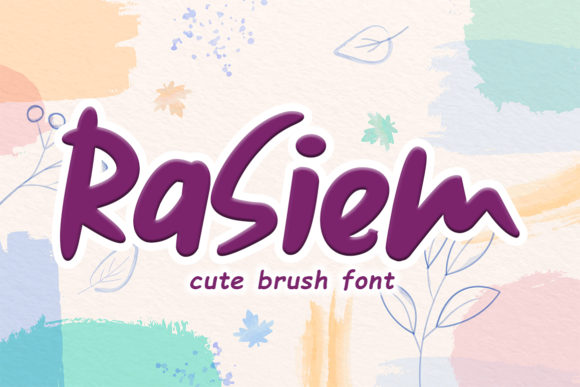
Western Duo consists of two fonts: one with a hand-drawn, brushed appearance and another with a modern, sans serif structure. The contrast between these two styles creates a dynamic visual effect that can enhance the overall aesthetic of any design. The brushed font adds warmth and personality, while the sans serif provides clarity and professionalism.
This font pairing is particularly effective in situations where a blend of creativity and functionality is needed. It allows for expressive typography without compromising legibility, which is essential for communication-focused designs such as logos, posters, and digital interfaces.
Why Consider Western Duo?
Designers may be drawn to Western Duo for several reasons. First, its versatility makes it suitable for a wide range of applications. Whether used for branding materials, packaging, or web content, this pairing can adapt to different contexts and purposes.
Another reason to consider Western Duo is its ability to evoke a friendly and approachable feel. The brushed font introduces a sense of informality and personal touch, which can be especially beneficial in marketing materials targeting younger audiences or creative industries.
Additionally, the pairing’s compatibility with both print and digital media ensures that it remains a practical choice across various platforms. Its clean lines and textured elements work well together, providing a cohesive look that stands out without being overwhelming.
Benefits and Tradeoffs
The primary benefit of using Western Duo lies in its ability to create a striking visual impact while maintaining readability. This makes it ideal for projects where the goal is to capture attention and convey messages effectively. The combination of styles also allows for greater creative expression, enabling designers to experiment with layout and hierarchy.
However, there are tradeoffs to consider. The use of a brushed font can sometimes lead to inconsistencies in sizing and spacing, which may require additional adjustments during the design process. Furthermore, the contrast between the two fonts might not be suitable for all design contexts, particularly those requiring a more uniform or traditional appearance.
Designers should also keep in mind that Western Duo may not be the best choice for highly technical or formal documents. In such cases, a more consistent font family might be preferable to ensure a professional and polished look throughout the entire piece.
Situations Where Western Duo Is a Strong Fit
Western Duo excels in environments where a balance between creativity and clarity is crucial. It is particularly well-suited for branding initiatives, including logos, business cards, and promotional materials. The pairing can help establish a memorable identity that reflects both professionalism and personality.
In the realm of event design, Western Duo can be used to create invitations, signage, and wayfinding systems that are both visually engaging and easy to read. The combination works well for greeting cards, social media graphics, and other forms of communication that aim to connect with audiences on an emotional level.
For digital projects, such as websites and mobile apps, Western Duo can enhance user experience by adding visual interest without distracting from the content. Its adaptability makes it a valuable asset for designers working on responsive layouts that need to function seamlessly across multiple devices.
When to Consider Alternatives
While Western Duo offers many advantages, there are scenarios where alternative font pairings may be more appropriate. For instance, if a project requires a high degree of consistency or a more formal tone, a single font family with a similar weight and style might be a better choice.
Projects involving complex data visualization, legal documents, or academic papers typically benefit from fonts that prioritize clarity and uniformity over stylistic flair. In these cases, opting for a more traditional or monospaced font could enhance readability and reduce potential distractions.
Designers should also evaluate the target audience when selecting a font pairing. If the intended users prefer a more conservative or minimalist aesthetic, Western Duo might not align with their expectations. Conducting user research or testing different options can provide valuable insights into what works best for a particular project.
Practical Insights for Decision-Making
When evaluating whether Western Duo is the right choice for a project, it's important to consider the overall design goals and the message being conveyed. Ask yourself: Does this pairing support the brand's identity? Will it resonate with the target audience? Can it be applied consistently across all touchpoints?
It's also helpful to review examples of successful implementations of Western Duo to understand how others have used it effectively. Analyzing case studies or portfolio pieces can provide inspiration and guidance on how to incorporate this font pairing into your own work.
Finally, always test the font pairing in different contexts before finalizing a design. Check how it looks at various sizes, on different backgrounds, and across multiple devices. Making adjustments based on real-world performance will help ensure that the final result meets both aesthetic and functional requirements.