Yellow Rabbit Font for Creative Projects
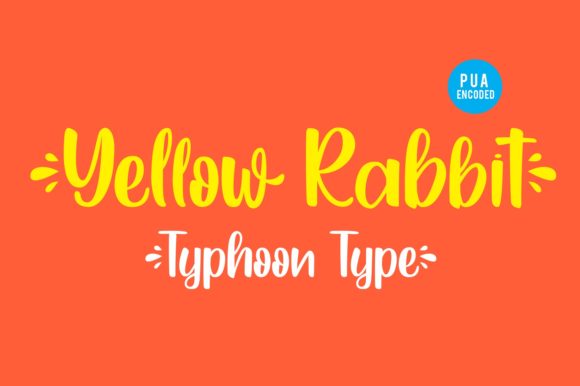
Yellow Rabbit is a cute and casual handwritten font that brings warmth and approachability to any design. Its friendly feel makes it perfect for logos, branding, social media posts, greeting cards, and much more. Whether you're a designer, marketer, or just someone looking to add personality to your work, Yellow Rabbit offers a versatile and charming option.
What Makes Yellow Rabbit Stand Out?
Yellow Rabbit stands out because of its natural, hand-drawn appearance. Unlike rigid typefaces, this font feels personal and spontaneous, making it ideal for projects that require a human touch. The soft curves and playful style evoke a sense of fun and creativity, which can help connect with audiences on an emotional level.
The font’s versatility is another key feature. It works well in both digital and print formats, adapting easily to different backgrounds, colors, and sizes. This makes it suitable for a wide range of applications, from website headers to packaging designs.
Why Choose Yellow Rabbit for Your Projects?
- Approachable Design: The font’s friendly look helps create a welcoming atmosphere, which is especially useful for brands targeting younger audiences or those in the education sector.
- High Legibility: Despite its casual feel, Yellow Rabbit remains easy to read, even at smaller sizes. This ensures that your message stays clear and effective across various platforms.
- Customizable Style: With variations in weight and spacing, Yellow Rabbit can be adapted to suit different project needs, whether you want something bold or subtle.
Creative Applications of Yellow Rabbit
Yellow Rabbit opens up a world of creative possibilities. Let’s explore some practical ways to use this font in your work.
1. Branding and Logos
For startups or small businesses looking to build a brand identity, Yellow Rabbit can serve as the foundation for logos, taglines, and business cards. Its friendly and approachable nature aligns well with brands that want to appear relatable and trustworthy.
Example: A boutique coffee shop might use Yellow Rabbit for its logo and signage to create a warm, inviting feel that matches the experience of sipping a cup of coffee.
2. Social Media Content
Social media platforms like Instagram, Pinterest, and Facebook thrive on visual appeal and engagement. Yellow Rabbit can enhance captions, hashtags, and post titles by adding a personal and playful touch.
Tip: Pair Yellow Rabbit with minimalist backgrounds or illustrations to maintain balance and avoid clutter. This keeps your content clean and focused on the message.
3. Greeting Cards and Invitations
If you enjoy crafting greeting cards or invitations, Yellow Rabbit is a great choice. Its handwritten style gives these items a personal and heartfelt feel, making them stand out from mass-produced options.
Recommendation: Use Yellow Rabbit for names and dates while keeping other text in a simpler sans-serif font for readability. This combination ensures your card is both beautiful and functional.
4. Website and App Design
Incorporating Yellow Rabbit into website headers, buttons, or call-to-action elements can make your site feel more personable and engaging. It's especially effective for blogs, creative portfolios, and lifestyle websites.
Best Practice: Limit the use of Yellow Rabbit to headings or short phrases to maintain a professional look. Overusing it can lead to a cluttered design that distracts from the main content.
How Different Users Can Adapt Yellow Rabbit
Depending on your goals and audience, you can adapt Yellow Rabbit in various ways to maximize its impact.
For Marketers and Entrepreneurs
Marketers can use Yellow Rabbit to create eye-catching banners, email subject lines, and promotional materials that resonate with younger demographics. Its playful nature can help break through the noise of traditional advertising.
Tip: Combine Yellow Rabbit with bright, cheerful colors to reinforce the font’s friendly vibe and capture attention quickly.
For Educators and Bloggers
Educators and bloggers can benefit from using Yellow Rabbit in educational materials, course titles, or blog headers. It adds a sense of approachability and encourages readers to engage more deeply with the content.
Example: A parenting blog could use Yellow Rabbit for its title and subheadings to create a warm and supportive tone that resonates with parents.
For Freelancers and Designers
Freelancers can incorporate Yellow Rabbit into their portfolios, proposals, and client communications to showcase their creativity and personality. It helps establish a unique brand identity that sets them apart from competitors.
Suggestion: Use Yellow Rabbit sparingly in portfolio descriptions to highlight key skills and services without overwhelming the viewer.
Keeping Your Designs Clear and Effective
While Yellow Rabbit is visually appealing, it's important to use it strategically to ensure clarity and effectiveness in your designs.
One way to do this is by maintaining consistency in your typography. If you’re using Yellow Rabbit for headings, choose a complementary font for body text that shares similar characteristics, such as legibility and contrast.
Another tip is to consider the context and purpose of your design. For example, if you're designing a formal document, it may be better to use a more traditional font for the majority of the text, reserving Yellow Rabbit for accents or highlights.
Finally, always test your design on different devices and screen sizes to ensure that Yellow Rabbit remains readable and aesthetically pleasing across all platforms.
Final Thoughts
Yellow Rabbit is more than just a font—it's a tool for creativity and connection. Whether you're designing a logo, writing a social media post, or creating a greeting card, this font can help you express your ideas in a way that feels personal and engaging.
By understanding its strengths and limitations, you can use Yellow Rabbit effectively to enhance your projects and leave a lasting impression on your audience.