Fairy Tale Font: A Versatile Handwritten Style for Stunning Designs
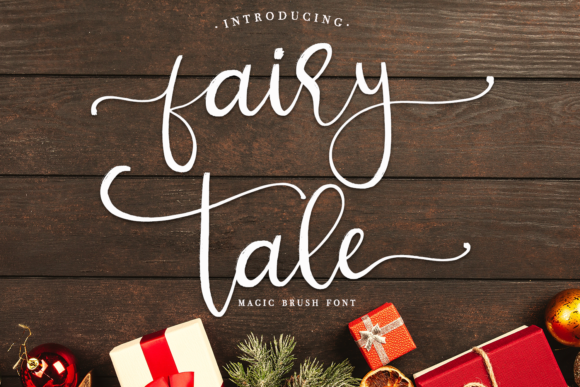
Fairy Tale is a thin brush style handwritten font that brings a sense of elegance and charm to any design project. Its unique strokes and fluid curves mimic the natural flow of handwriting, making it an excellent choice for creative professionals looking to add a personal touch to their work. Whether you're designing logos, illustrations, or digital content, Fairy Tale offers a versatile solution that can be adapted to various styles and purposes.
One of the main challenges designers face is finding a font that stands out while remaining readable. Many fonts are either too formal or too casual, making it difficult to achieve the perfect balance. Fairy Tale addresses this challenge by offering a handwritten feel without sacrificing legibility. This makes it ideal for use in both print and digital media, where clarity is essential.
Another common need among designers is the ability to create visually appealing content that resonates with the target audience. Fairy Tale's soft and flowing style is particularly well-suited for projects that aim to evoke a sense of nostalgia, whimsy, or creativity. For instance, it can be used in children's books, wedding invitations, or branding materials for boutique shops and creative studios.
When considering practical applications, Fairy Tale can be used in a variety of ways. For example, it works beautifully as a headline font in web design, drawing attention to key messages while maintaining a friendly and approachable tone. It also pairs well with other fonts, allowing for a layered and dynamic visual composition. Designers can experiment with different weights and sizes to create contrast and hierarchy within their layouts.
For those who want to explore the font further, there are several considerations to keep in mind. First, it's important to ensure that the font is compatible with the software being used. Most modern design tools such as Adobe Photoshop, Illustrator, and Canva support a wide range of fonts, including Fairy Tale. Additionally, designers should pay attention to spacing and kerning when using the font to maintain a clean and professional appearance.
Users may approach the topic of using Fairy Tale in different ways depending on their specific goals. Some may focus on creating minimalist designs that emphasize the font's natural beauty, while others may incorporate it into more complex compositions that include multiple elements and textures. Regardless of the approach, Fairy Tale provides a foundation that allows for endless creative possibilities.
In terms of implementation, it's recommended to start by experimenting with different uses of the font in small-scale projects before applying it to larger ones. This allows designers to get a better understanding of how the font behaves in different contexts and how it interacts with other design elements. Testing the font across various platforms and devices is also crucial to ensure that it displays correctly and maintains its intended aesthetic.
For those interested in exploring similar fonts, it's worth noting that Fairy Tale is part of a broader category of handwritten typefaces. While each font has its own unique characteristics, Fairy Tale stands out due to its thin brush style and versatility. This makes it a great option for designers who are looking for something that feels both personal and professional.
Ultimately, Fairy Tale is more than just a font—it's a tool that empowers designers to express their creativity in new and exciting ways. By understanding its strengths and limitations, designers can harness its potential to create stunning visuals that capture the imagination of their audience. Whether used in print or digital formats, Fairy Tale offers a timeless appeal that continues to inspire and captivate.