Wishline: A Versatile Handwritten Font for Strategic Design and Communication
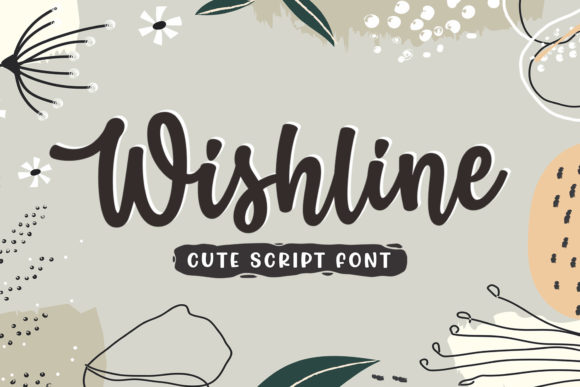
Wishline is a handwritten font that blends charm, personality, and versatility into every character. Its quirky, cursive style brings warmth and authenticity to any design project. Whether you're crafting wedding invitations, designing branding materials, or creating engaging social media content, Wishline offers a unique visual language that can elevate your work. But beyond its aesthetic appeal, using Wishline strategically can support broader goals in communication, creativity, and brand identity.
Understanding the Strategic Value of Wishline
Fonts are more than just text—they are tools for conveying tone, emotion, and intent. Wishline's handwritten nature makes it ideal for projects that require a personal, approachable feel. This font is especially effective when used in contexts where authenticity and emotional connection are key. For instance, in marketing campaigns targeting niche audiences or in creative industries where individuality is prized, Wishline can help establish a distinct voice.
Strategically, Wishline can be a powerful asset in positioning your brand as friendly, innovative, or even whimsical. It supports a variety of use cases, from editorial design to digital marketing, making it a valuable addition to any designer’s toolkit.
When to Use Wishline Effectively
Consider using Wishline in scenarios where a handwritten feel enhances the message. Think about:
- Wedding Invitations: The romantic and personal touch of Wishline can make invitations feel more heartfelt and memorable.
- Social Media Posts: Using this font on platforms like Instagram or Pinterest can help stand out in a sea of uniform text.
- Stationery and Branding: From business cards to packaging, Wishline adds a layer of personality that can differentiate your brand.
- Blog Headers and Titles: It can draw attention and create a warm, inviting atmosphere for readers.
However, it's important to consider the context. While Wishline works well in many situations, it may not be suitable for formal documents, legal texts, or anything requiring strict readability. Always ensure that the font aligns with the purpose and audience of your project.
Planning Your Use of Wishline
Before incorporating Wishline into your design, take time to plan how it will serve your goals. Ask yourself:
- What message do I want to convey? Is it playful, professional, or somewhere in between?
- Who is my target audience? Does the font resonate with them?
- How will it be used? Will it be on print or digital media? What size will the text appear in?
These questions help ensure that Wishline is used intentionally rather than randomly. By aligning the font with your objectives, you increase the chances of achieving better results.
Practical Tips for Integrating Wishline
To maximize the effectiveness of Wishline, follow these guidelines:
- Pair with Complementary Fonts: Combine Wishline with a sans-serif font for body text to maintain readability while preserving the charm of the handwritten style.
- Use Sparingly: Apply Wishline to headings or short phrases rather than long blocks of text to avoid overwhelming the reader.
- Test Across Devices: Ensure that the font looks good on both desktop and mobile screens, especially if it's being used online.
- Match Tone and Style: Consider whether the whimsical nature of Wishline fits with your brand's overall tone and messaging.
By thoughtfully integrating Wishline, you can enhance your designs without compromising clarity or professionalism.
Exploring Risks and Limitations
While Wishline is a versatile and appealing font, it's not without its limitations. One potential risk is overuse—applying it too frequently or in inappropriate contexts can dilute its impact and confuse the audience. Additionally, because it's a handwritten font, it may not be suitable for all types of content, especially those that require high legibility or formality.
Another consideration is accessibility. Handwritten fonts can sometimes be harder to read for individuals with visual impairments or dyslexia. When using Wishline, always provide an alternative version of the text in a more readable format, such as a sans-serif font, to ensure inclusivity.
Lastly, it's crucial to understand that no single font can replace thoughtful design. While Wishline adds personality, it should be part of a larger strategy that includes color, layout, and typography best practices.
Long-Term Benefits of Intentional Font Usage
Using Wishline with intention can lead to long-term benefits, including stronger brand recognition, improved engagement, and more consistent visual storytelling. When used strategically, this font can become a signature element of your design language, helping to build trust and familiarity with your audience.
Moreover, by selecting fonts that align with your brand values and communication goals, you create a cohesive and memorable experience for your users. This consistency can improve customer loyalty and reinforce your brand's identity across different platforms and mediums.
Conclusion
Wishline is more than just a cute and quirky handwritten font—it's a strategic tool that can enhance your design work and support your communication goals. Whether you're creating wedding invitations, branding materials, or digital content, using Wishline thoughtfully can add personality, warmth, and authenticity to your projects.
By planning its use carefully and considering its strengths and limitations, you can leverage Wishline to achieve better results and create more impactful designs. Ultimately, the goal is to use this font in ways that align with your vision and deliver value to your audience.